The Assyrian Alphabets
General Notes - Part 1
ܡܵܘܕܥܵܢܘܼܝܵܬܹ̈ܐ ܟܠܵܢܵܝܹ̈ܐ ܒܘܼܬ ܐܵܬܘܵܬܹ̈ܐ
ܐܲܢܹܐ ܐܵܬ̈ܘܵܬܵܐ ܟܹܐ ܦܵܝܫܝܼ ܟܬܝܼܒܹܐ ܦܪܝܼܫܹܐ ܠܦܘܼܬ ܫܵܘܦܵܝܗܝ ܒܚܲܒܪܵܐ

The letter Alâp has no pronunciation of its own. It is silent. It looks to the vowel below it, next to it, or over it and verbalize the vowel sound instead. It has only the sound of the vowel which it receives. ܋ The letter Alâp is written ܐ when it is the initial and medial letter in a word. ܋ When the letter Alâp is final, it is written ـܐ except: ܋ When it is after Lamâd ܠ , it is written ܠܐ. ܋ When the letter Alâp is after Dalâth ܕ or Résh ܪ, it is always written ܐ, whether medial or final. |
♱♱♱♱♱♱♱♱
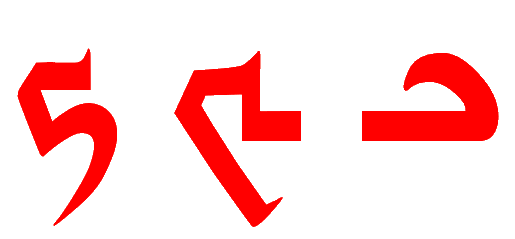
The letter Kap is pronounced as the letter K. makes a “k” sound like king. ܋ The letter Kap is written ܟـ when it is the initial and medial letter. ܋ Final Kap takes the formܒـܟ when it is joined to the preceding letter. ܋ Final Kap takes the form ܟ when it is not joined to the preceding letter.
|
♱♱♱♱♱♱♱♱

The letter Meem is pronounced as the letter M. makes a “m” sound like mom. ܋ The letter Meem is written ܡـ when it is the initial and medial letter. ܋ The final letter Meem is written ܡ, whether joined or not.
|
♱♱♱♱♱♱♱♱
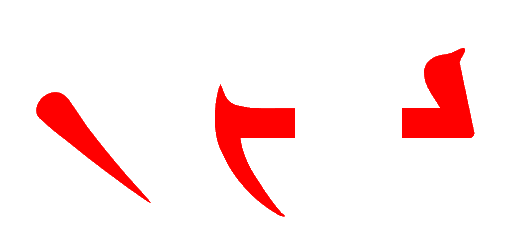
The letter Noon is pronounced as the letter N. Noon makes a “n” sound like nail. ܋ The letter Noon is written ܢـ when it is the initial and medial letter. ܋ Final Noon takes the form ܒـܢ when it is joined to the preceding letter. ܋ Final Noon takes the form ܢ when it is not joined to the preceding letter. |
♱♱♱♱♱♱♱♱
|
|
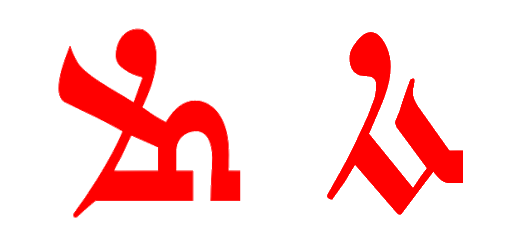
The final Taw when
followed by the letter Alâp, sometimes it is written
as one of these. |
♱♱♱♱♱♱♱♱

|
|
The final Héh when
followed by the letter Yud, in some manuscripts it is written
like this. |
♱♱♱♱♱♱♱
